
Let’s face it: toddler tantrums are a brutal rite of passage for every parent. One minute, your little angel is happily stacking blocks; the next, they are a wailing, arching creature on the floor of the grocery store because you said “no” to the fifth package of cookies. It’s chaotic, it’s embarrassing, and it drains your energy faster than a smartphone battery watching HD video.

The good news? Tantrums are not a sign of bad parenting or a spoiled child. They are actually a completely normal developmental stage. Your two or three-year-old is experiencing huge feelings—frustration, tiredness, anger—but their brain simply hasn’t developed the necessary skills to manage those emotions or communicate them effectively with words.
So, how do you navigate this emotional rollercoaster without losing your cool? It all starts with a simple shift in perspective and a few practical strategies.
Strategy 1: Proactive Parenting: Preventing the Meltdown
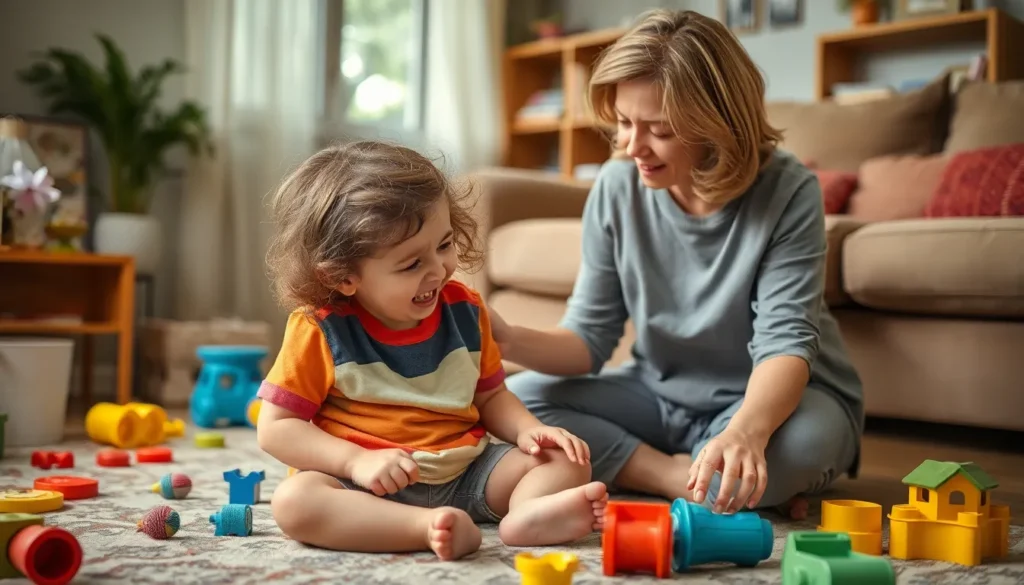
The best way to handle a tantrum is to keep it from
happening in the first place. Think of yourself as a
detective, always looking for clues that your child is
about to hit their limit.
Spot the Early Warning Signs

Toddlers rarely go from zero to full-blown meltdown instantly. There are often subtle cues that their inner battery is running low. Watch for things like:
- Yawning or rubbing eyes: They are overtired, which is the number one tantrum trigger.
- Excessive clinging: A sudden need to be held when they were playing independently.
- Irritability: Snapping at siblings or pushing toys away.
Tend to Their Core Needs
An unmet basic need is a guaranteed path to a tantrum. Before you leave the house, take five seconds to ask yourself:
- Are they Hungry (H)? Blood sugar dips are a major culprit. Always pack a small, emergency snack.
- Are they Angry/Lonely (A)? Do they need attention or connection? Spend a few focused minutes with them.
- Are they Tired (T)? Stick to nap schedules and be extra flexible around bedtime.
- Are they Sick/Stressed (S)? Are they coming down with something, or is the environment too overwhelming (too loud, too crowded)?
This simple HATS check can save you a world of trouble!
Strategy 2: During the Storm: What to Do When It Happens
Okay, prevention failed. The tantrum is here. Your child is screaming about the blue cup instead of the red cup. This is the moment to remember that you are the adult, and your job is to stay calm and grounded.
Acknowledge and Validate the Feeling
Don’t dismiss their feelings, even if the reason for the distress seems absurd to you. To them, the blue cup is a tragedy. Get down to their level, make gentle eye contact (if they’ll let you), and use simple language to describe what they are feeling.
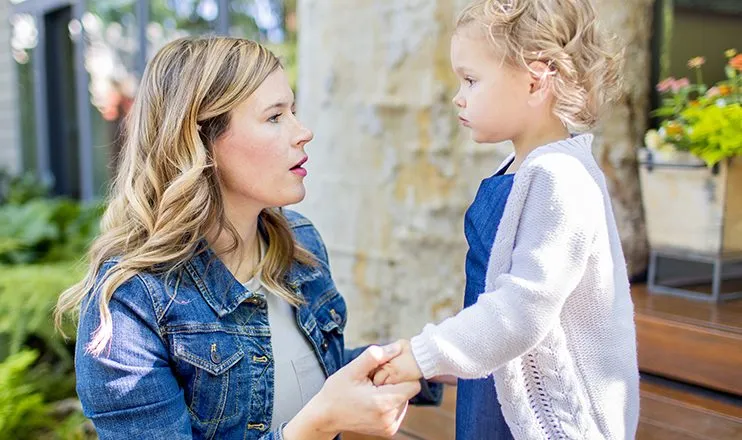
- Try saying: “I see you are really angry right now that you can’t have the red cup.”
- Avoid saying: “Stop crying, it’s just a cup!” or “Only babies cry over cups.”
- Validating their emotion teaches them that all feelings are okay, even if the behavior (the screaming) is not.
Choose Your Battles Wisely (And Sometimes, Just Ignore)
Once you’ve acknowledged the emotion, determine if the tantrum is about attention or frustration.
- If it’s a full-blown safety issue or aggressive behavior (like hitting), you must intervene immediately and calmly remove the child to a safe spot.
- If it’s just crying and flailing over something harmless, sometimes the most powerful thing you can do is safely ignore the performance. Remain nearby, but turn your body away and occupy yourself with a task. Toddlers quickly learn that screaming doesn’t earn them a reward, like intense parental focus.
An Expert Insight: Remember, the goal isn’t to stop the feeling (anger), but to stop the ineffective expression of that feeling (screaming fit).
Strategy 3: After the Tantrum: Reconnect and Repair
The storm has passed. Your child is now quiet, maybe a little sniffly. This is a critical window for learning.
Offer Connection, Not a Lecture

When the crying stops, the first thing your child needs is a hug, a gentle hand on their back, or a moment on your lap. They need to know that your love isn’t conditional upon their behavior.
Wait until they are completely calm, and then offer a brief, gentle review of what happened, focusing on what they can do next time.
- Try saying: “I know you were mad because we had to leave the park. Next time you feel that angry, you can tell Mommy, ‘I am frustrated!'”
Keep the lesson short, focused on solutions, and then move on. Dwelling on the negative behavior only reintroduces stress.
Teach the Tools of Emotional Literacy
Toddlers need scripts! They don’t naturally know how to say “I’m overwhelmed.” When you’re both calm, practice easy coping skills they can use.
- “Let’s take three big belly breaths together.”
- “You can ask for a hug when you feel like hitting.”
- “When you feel like screaming, you can go into your room and squeeze your pillow.”
By staying patient, being proactive, and teaching emotional language, you’re doing more than just stopping a tantrum; you’re actively building your child’s emotional intelligence—a truly invaluable skill for life.
Toddler Tantrums: Causes, Reactions, and Solutions
| Phase | Common Cause / Trigger | Immediate Reaction (During Meltdown) | Long-Term Solution (Teaching Goal) |
| Prevention | Basic Needs Unmet (Hunger, Overtired, Overstimulated) | Pause and do the HATS Check (Hungry, Angry/Lonely, Tired, Sick). Address the physical need immediately. | Consistent Routine |
| Difficulty with Transitions (Leaving the park, stopping a fun game) | Give advanced warnings (e.g., “Two more slides, then we go!”). Use a visual timer or a song. | Predictability & Self-Control | |
| — | — | — | — |
| The Meltdown | Frustration (Can’t build the tower, cannot use the desired cup) | Validate the feeling first: “I see you are so mad that the blocks fell down!” Then, offer help or a simple solution. | Problem-Solving Skills |
| Desire for Control (Wanting to choose a non-negotiable item, like no seatbelt) | Stay Calm and use very few words. Hold the limit firmly but kindly: “The seatbelt stays on.” Avoid lecturing. | Boundary Setting & Trust | |
| Attention Seeking (A performance when you’re busy or on the phone) | Safely ignore the dramatic performance. Once the child is calm (even for a moment), immediately provide positive attention. | Positive Attention Reinforcement | |
| — | — | — | — |
| Aftermath | Need for Reassurance (Feels guilt/shame after the outburst) | Offer connection (hug, gentle touch). Do not lecture. Your love is the repair. | Emotional Regulation |
| Need for Language (Doesn’t know how to express the emotion) | When completely calm, label the feeling (“You were feeling furious!”). Teach a replacement skill: “Next time, say, ‘Mommy, I need a break.'” | Emotional Literacy |


#ParentingTips #PositiveParenting #MindfulParenting #ModernParenting #ParentingGoals #ParentingLife #RaisingKids #MomLife #DadLife #Parenthood #ParentingAdvice #GentleParenting #ParentingJourney #Carrerbook#Anslation#ParentingCommunity #ParentingBlog #ParentingHacks #ParentingSupport #ParentingMatters #ParentingWisdom #ParentingChallenges